Startup Pitches (Beanstalks)

MINOLTA DIGITAL CAMERA

These are some of the new startups disrupting the health industry – possibly the largest industry on the planet.

The products I saw pitched were point of care cortisol testing and a novel method for delivering vaccines and preventing spoil. This is a fantastic initiative for new healthcare startups

Startup stage: Fundraising options

screenshot-2016-11-16-at-11-36-11A venture capital firm: Forward partners. Based in London explained what they could offer.

They are a VC firm who back very early-stage investments.

He discussed angel investing and other options,

20141119212947-shutterstock-209434537

Crowdfunding – 2-4 times what a VC

download-1

Banks

images-1

Accelerators – he doesn’t think these are so important

Grant money (get the free money first!)

innovate-uk-logo

Optimise your crowdfunding process. You need to think strategically. Getting the money is nor as important as getting it from the right source. List all your options and do your homework to make yourself ready. He talked about what investors are looking for.

Then he talked about why they are so excited about healthtechnology. It is a massive market (containing biotech and healthtech), eventually the two will fuse.

Trends they are interested in:

Mobile trends – people are constantly interacting with them and they are only going to grow as key connectors to customers.

IoT and Sensors – watches and beacons.

AI & Machine Learning – these analyse the data created by the sensors.

He gave the example of Amada in the US and their work with diabetes.facilities

Basically there is big money available for those who have the skill and imagination to build results.

The Fourth Industrial Revolution

the-fourth-industrial-revolution

Shafi Ahmed then introduced the topic of the ‘fourth’ industrial revolution.

industry_4-0

The blurring of the lines between the physical and digital spheres.

It is about thinking differently in order to solve hard and complex problems. It will involve the interface of medicine, digital technology, societal changes, art and many other things.

It will involve:

Virtual reality

random42-oculus-gearvr-headset

Big Data / Informatics

images

Blockchain, IoT

blockchain

Machine Learning / AI

download

This is just what we know the fourth revolution will involve. There are many other things as yet undiscovered which will be involved.

The UK’s first ever exponential medicine conference

screenshot-2016-11-16-at-09-18-24

Welcome to GIANT

This marks the beginning of a shift in the mindset of health technologists in the UK. There have been other events like the NHS EXPO but their purpose was very different.

This conference as illustrated by the programme is going to be very different.

This is exponential medicine conference, UK.

discover-3

The speakers at this conference are not your usual health technology conference speakers. I am currently sitting in the middle of an audience full of outside thinking, border pushers within healthcare. A mixture of professionals from medical, business and technology spheres all in one place.

This is the infancy of a small silicon valley type community for health technology in London but it has none of the glitz and glamour of exponential medicine conference. This has much more the feeling of the first DEF CON in June 1993 (I was not there, I was only a child then but I imagine this is what it was like.

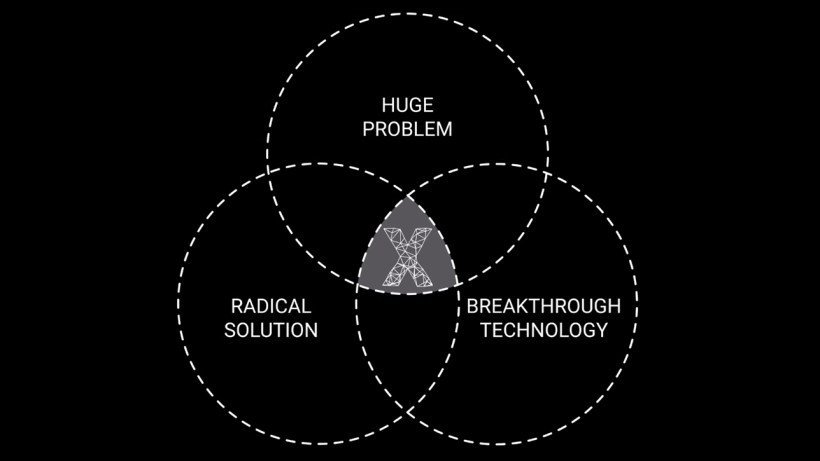
Barry Shrier, the Founder started by introducing the term moonshots. These are radical innovations which lack any immediate method of becoming financially successful but have enormous potential in the future.

screenshot2015-07-31at7-28-55am

The challenges that face us in healthcare now have never been greater. Therefore, the need for a ‘moonshot’ or more likely many smaller ‘moonshots’ to succeed has equally never been greater.

This is the interface at which they occur:

00000002326

Barry then talked about the ongoing impact of the NASA program. It is his conviction that we can achieve enormously big goals and we should set out to achieve them for the good of the world. The vision: “To improve the health and wellbeing of humanity, by supporting entrepreneurs and supping healthtech innovation.” He dedicated his presentation to the late Helen Keller. “Life is either a daring adventure, or it is nothing”. H.Keller

It is the spirit of ‘I can do it’ that will enable us to overcome the enormous challenges that humanity faces.

The Sustainability and Transformation Plan (STP) and 5 year forward view

There is a fear that there is a lack of leadership within the NHS.

There is also a major difference between the current leading generation and those coming. The current generation is very traditional. In general the current leading generation will stick to what worked before and just keep going. The coming generation want instant feedback, (my generation stands in the gap but I lean toward the millenial side).

This new generation poses a significant threat to the new generation and can make it difficult to relate. If the design of the workforce has been performed by the older generation it will be the younger generation which will have to live with it.

You can either be an ostrich, king Cnut or a surfer. Click the pictures to see what they each do?

There are all sorts of regulatory bodies including NHS England, CQC, CCG’s, Dept for Health, HEE, NHSi and all sorts of other groups within the NHS. They each have different focuses and each try to get things ready for the future.

They are all working to this 5 year forward view plan. This involves commissioning of services (a mechanism involving competing for contracts and payment for services ‘commissioned’, networks are being built to try and connect different services (ie. Diabetes) to try and save money. Often the money is given in ‘packets’ which have to be spent quickly. You can build business cases which are ready to go at the drop of a hat to try and access this money.

Then there are clinical senates. These are groups led by clinicians to provide multidisciplinary input to strategic clinical decision-making. The groups, 12 of which are due to be established, should help to provide clinical input to the other decision making bodies.

The five year forward view contains the following chapters:

  • Chapter One – Why will the NHS need to change?
  • Chapter Two – What will the future look like?

A new relationship with patients and communities, Getting serious about prevention, Empowering patients, Engaging communities, The NHS as a social movement

  • Chapter Three – What will the future look like?

New models of care – Emerging models, One size fits all? New care models, How we will support local co-design and implementation

  • Chapter Four – How can we get there?

We will back diverse solutions and local leadership, We will create aligned national NHS leadership, We will support a modern workforce, We will exploit the information revolution, We will accelerate useful health innovation, We will drive efficiency and productive investment.

fyfv

Prevention is much more important than cure. This has to become top priority if we are to change the NHS structure and culture and ultimately reduce costs.

Motivational interviewing, telehealth (Airedale model worked), urgent and emergency care networks, enhanced care in care homes. Multispecialty community providers, primary and acute care systems.

Heavy investment in general practice. 5,000 extra GP’s and 3,000 extra mental health practitioners.

Then we discussed trappist monks (as below). August Turak’s book shows that the key factors needed for success are: clarity of mission, faith in the mission, service and selflessness, commitment to excellence and trust. Does your organisation have these factors?

51l3o4qfjul-_sx325_bo1204203200_

Will the NHS have this clear why? This is what the FTP’s are about. Joining up care and having a common vision.

Speakers ending comment: Think creatively, learn to play the game and you can surf the waves and succeed to make healthcare better for patients.

Psychiatry in the General Hospital

Disclaimer: This is not intended as medical advice but for informational purposes only.

Depression

Extremely common in hospital. Often difficult to detect because it is normal to feel ‘depressed’ when unwell as part of the physiological response to acute disease. The problem comes when the depression persists long after the acute illness has recovered. The reasons are multifactorial and include the environment they are in, chronic disease factors, nutrition, social factors, previous history, reaction to loss, employment, financial problems… the list is long.

depression-im-fine

The question is how can patient’s be helped. Oftentimes the best thing is to get out of hospital and back into normal life environments. However, sometimes the depression may actually impair recovery and lead to delays in getting home, particularly in the elderly.

The most important thing is to recognise the problem and offer people support and also relationships where they feel they can trust those caring for them. Medication and psychiatric support may play a role depending on the severity of the condition but should not be a first resort.

Delirium

Delirium is extremely common in hospital.

delirium

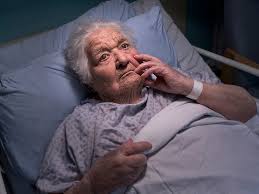
It is associated with significantly worsened outcomes and tends to affect those at the extremes of age:

old-people-names-we-love

It makes it extremely difficult for people to ‘filter’ out irrelevant noise. Delirious people struggle to cope with disturbances and lots of stimulation. It tends to exacerbate the problem.

Therefore the aim of treatment is to keep things calm, quiet, well lit, constant, with good feeding, sleep hygeine and the ability for the person to explore.

Dementia

97848

Becoming increasingly common in hospital. Management principles are related to those for delirium except that complete neurological recovery is not anticipated.

The difficulty comes when people lack capacity to make decisions regarding their care, finances, discharge and other major questions. In the UK if you are over 16 years old you are presumed to have capacity to make your own decisions. Capacity is decision specific. A person with dementia can have capacity over some decisions in their life like what decisions they would like to take over their own health, but that same person may lack the capacity to manage their finances or discharge destination. It is also time specific: ie. It can fluctuate and vary during the day or week. This is why it is so hard to measure.

A common sense approach is reasonable most of the time; The baseline assumption is that people have capacity, even to make what others may consider to be foolish decisions. However, if there is doubt the following rules should be tested: 1) Does the patient have the ability to understand the information?, 2) Can they retain the information long enough to make a decision? 3) Can they weigh it up (pros and cons) in order to make that decision – note their logic doesn’t have to be the same as yours!, 4) Can they communicate their decision?

mrnobody22
Can you see what I’m thinking?

Every effort has to be made to facilitate the above. However, if there is compelling evidence that someone cannot perform the above (normally most of the issues are to do with retaining the information). The gravity/severity of the decisions are also key factors that have to be considered and if there is doubt second and third opinions may be needed. If there is time it is better to involve all the key parties.

This above all the other areas is the most tricky and thorny part of psychiatry in hospital. It takes a lot of time and discussion; but with good planning, forethought and involvement with key stakeholders often the situation becomes clear over time.

Urology and the medical registrar

Disclaimer: This article is meant for informational purposes only and not as clinical advice.

Warning: This article contains a few medical pictures

PSA / Prostate Cancer

img_1886

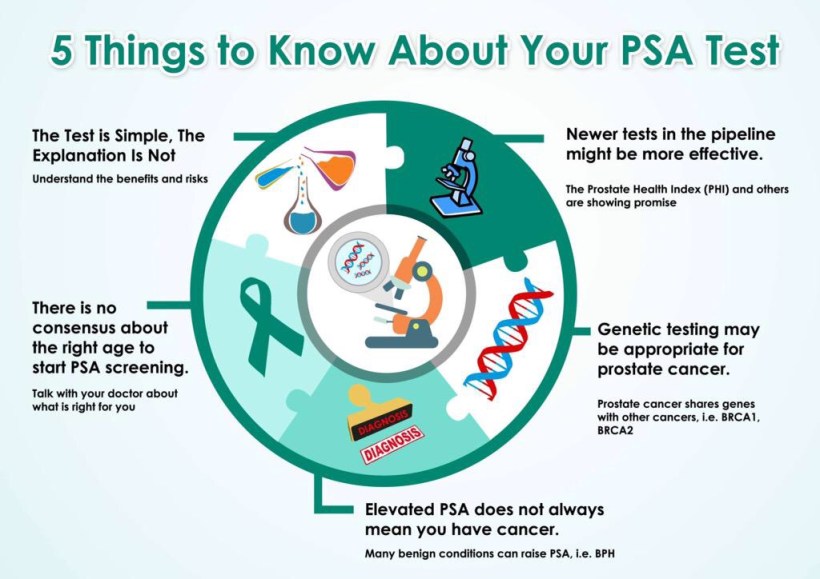
First discovered in the 1970’s. Produced in the prostatic ductal epithelial cells it is normally involved in the liquification of semen.

Prostate Cancer risk rises with age. As dose PSA. However, the thresholds for investigation are becoming lower and lower. Even a 30 year old, a PSA over 1 would warrant further investigation. Family history, recent instrumentation, racial origin, other genetic factors and drug/past medical history also all need to be taken into account.

PR exam, heavy cycling, BPH, urinary retention, prostatitis and UTI’s can all falsely elevate the PSA.

Older patients are less likely to have major surgery (prostatectomy etc). There is a 1% risk of sepsis following a prostate biopsy as well so this procedure has to be done with due consideration for the risks. There are newer tests such as MRI prostate and ‘template’ biopsies which are helping to get higher yields.

Anyone who has visible haematuria (blood in the urine) without an obvious cause needs to investigated. If the haematuria is invisible then there need to be two separate positive urine dips. In the major paper on this – Edwards et al, 2000. of almost 2,000 patients with visible haematuria 24% were found to have a urological malignancy.

haematuria-dilutions-300x225
haematuria by dilution

BPH

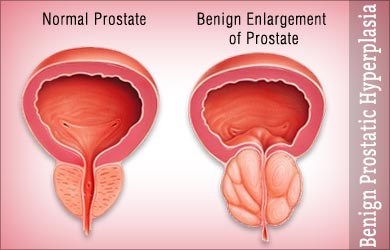
BPH (Benign Prostatic Hypertrophy) is a histological diagnosis. The cause is not exactly known but it is to to do with adenomatous change in the prostate which pushes on and obstructs the ureter.

benign-enlargement-of-prostate

They will tend to have impaired flows and high post-void residual volumes on bladder scan. This doesn’t predict the likelihood of people going into retention but it does predict risk of needing treatment. If the post-void residual is >150mls then urologists recommend avoiding ‘anticholinergic’ medications.

Various treatment options for BPH include: alpha-blockers (these work over about 24 hours), 5ARIs – (dutasteride), anticholinergics, transurethral needle ablation, microwave thermotherapy.

Catheters

Some patients cannot be catheterised. If two tubes of instillagel fail try a Tiemann Tip catheter. In an emergency the bladder can be aspirated using a green needle transabdominally. Urologists however should be involved at this point. Irrigation stops future clots being formed. Washouts are needed to get rid of the clots. If this doesn’t work then they will need to go to theatre.

If in doubt call a urologist!

Neurology for the Non-Neurologist: Some unusual cases

Disclaimer: This article is intended as information only not medical advice. The cases are fictional.

gim-neurology
Neurons that fire together wire together

Rapid assessment in A&E:

Quick screening assessment can involve just getting the patient to walk, testing for vision and looking for tremors/weakness/abnormal movements as well as evident congnitive deficit. This + experience can help to rapidly distinguish between the ‘neurological’ emergency (stroke etc) and other differentials.

1. A case of unusual neurology: 60 year old man with tremor, abnormal gait and confusion. Gradual onset = Stroke is unlikely. ?Wernicke’s. Then his symptoms progressed including bilateral facial weakness and pain along right arm. None of this fits with a stroke. He then developed progressive opthalmoplegia (weakness of his eyes) and deteriorated further. MRI/CI – unhelpful. He had an lumbar puncture with extremely high white cells and protein. Then target like rashes were noted on his torso and spirochetes were found in the CSF. Diagnoses = Disseminated Neurological Lyme disease (rare). Treatment: Ceftriaxone 2 grams for 2 weeks. Other signs that can suggest Lyme: Conjunctivitis, Bilat weakness, positive serology, history of walking through forests / contact with certain animals.

Diagnosis: Neurological Lyme Disease

lyme
Tick bite with ring like skin rash

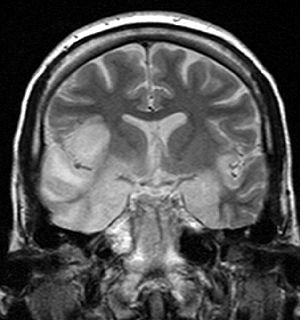
2. A fall with subsequent neurology: A 70 year old lady falls, hits her head and presents to A&E. On admission her chest x-ray looked normal. Initial CT of her head was normal. Then she becomes acutely short of breath and has a CT scan. This shows lots of blood in her chest (left side) – this is called a haemothorax. She has a chest drain inserted to help her breathing. The next day she is quite confused. ? Delirium (acute confusion related to painkillers/infection/trauma of admission). This was very out of character for her so a CT head was performed again. This looked relatively normal, however the brain looked large for someone in their 70’s (the brain shrinks with age), but was reported as normal (there was certainly no obvious abnormality). She then deteriorated and dropped her conscious level and had to be intubated. What is going on here? An LP was performed with white cell count of 1 and a protein level of 1.09. Neuroradiologists agreed that the CT scan looked normal. Then the PCR from the LP showed HSV type 1. MRI then confirmed this in the temporal lobes. This is a very dangerous condition that needs prompt and sometimes prolonged treatment with antiviral therapy.

Diagnosis: HSV Encephalitis Type 1

300px-hsv_encephalitis
HSV Type 1 Encephalitis affecting temporal lobes

3. Sudden unconsciousness ?cause. A  50 year old man who became suddenly unconscious (Glasgow Coma Score: 4/15). Examination was normal. He had to be intubated but all his other tests CXR, bloods, ECG were normal. He went on to have a CT scan of his head which was also normal. No evidence he had taken any drugs or toxins. Clinically infection didn’t appear likely. He had no evidence of vasculitis and there was no trauma. He had a second CT scan which showed an area of low density in the thalamus. MRI with DWI showed bilateral thalamic infacts.

Diagnosis: Thrombotic Stroke secondary to occlusion of a single dominant Artery of Percheron

annindianacadneurol_2016_19_3_426_179981_f1
Bilateral Thalamic Infarcts

Which programming language should I learn first? 

http://carlcheo.com/wp-content/uploads/2014/12/which-programming-language-should-i-learn-first-infographic.png

I literally love thus. It’s awesome. Well done Carl Cheo

Liver Transplant Assessment in patients with Chronic Liver Disease with the Royal Free – For Doctors

Disclaimer: This article is not intended as advice for patients but is intended as information for medical professionals only.

Firstly you have to establish the indication for transplant:

liver_transplantation

All the indications are listed here in this policy document but broadly they are broken down into:

  1. Chronic liver disease
  2. Hepatocellular Carcinoma
  3. Variant Syndrome
  4. National Appeals Panel
appeals-panel-says-firefighter-can-press-work-comp-claim-for-ptsd
National appeals panels arbitrate on decisions regarding transplantation which fall outside of standard criteria

The UKELD score can be used to assess suitability for transplant. As the score reaches 49 this indicates a 9% one-year mortality rate and is the minimum criterion to be listed for transplantation. A score of 60 suggests 50% one-year mortality. Remember that these statistics were developed by looking at patients on the transplant list already so may not be applicable to new presentations.

HCC’s must be small

There are also a few pilot studies, including one for downstaging HCC’s which appeared to have a more indolent course. If patients are staged as ‘low risk’ for recurrence then they do benefit from transplantation but this is still in a pilot stage. There is also one for alcohol related liver disease but the criteria are so stringent that so far nobody has been transplanted on that pilot.

Assess the risk for that individual patient

In order to do this we need to look at survival. Every year in the UK about 2/3rds of patients are listed for transplant but around a third are deemed too unwell or needing other conservative treatment options first.

Biological factors are key and they will look at co-morbidities as well as several other factors. They will generally perform an echocardiogram, pulmonary function tests, blood gases, exercise capacity tests and some additional investigations for high risk patients. Nutrition will be assessed.

This slideshow requires JavaScript.

Outcomes are worse in those with BMI 40.  Recent/current extrahepatic malignancy is an absolute contraindication. Tobacco smoking is a relative contraindication as it affects prognosis post-transplant.

becks-blue

In the UK, if people have gone back to drinking alcohol despite medical interventions within a medium-term time interval they are not transplantable. The point of stopping the alcohol is so that the liver can recover. The commonly held myth of the ‘6-month rule’ actually doesn’t exist in reality. Most of the guidelines instead talk about 2 years as an appropriate time interval, and the definition of absitinence is usually total. This advice needs to be clearly documented in the notes. Even a glass of wine at Christmas is not strictly allowed. Alcohol-free lager is also not allowed (as above)

This is because drinking even alcohol-free lager is a risk factor for relapse. Selective engagement in treatment is another risk factos for relapse; as is previous history, access to alcohol, underemployment, relationship factors, children, social support structures and personal motivation to engage in new habits.

There are also tests that can be used to detect whether or not people have been drinking alcohol. Increasingly cigarette smoking is being strongly discouraged as well because it is associated with poorer outcomes post-transplant.